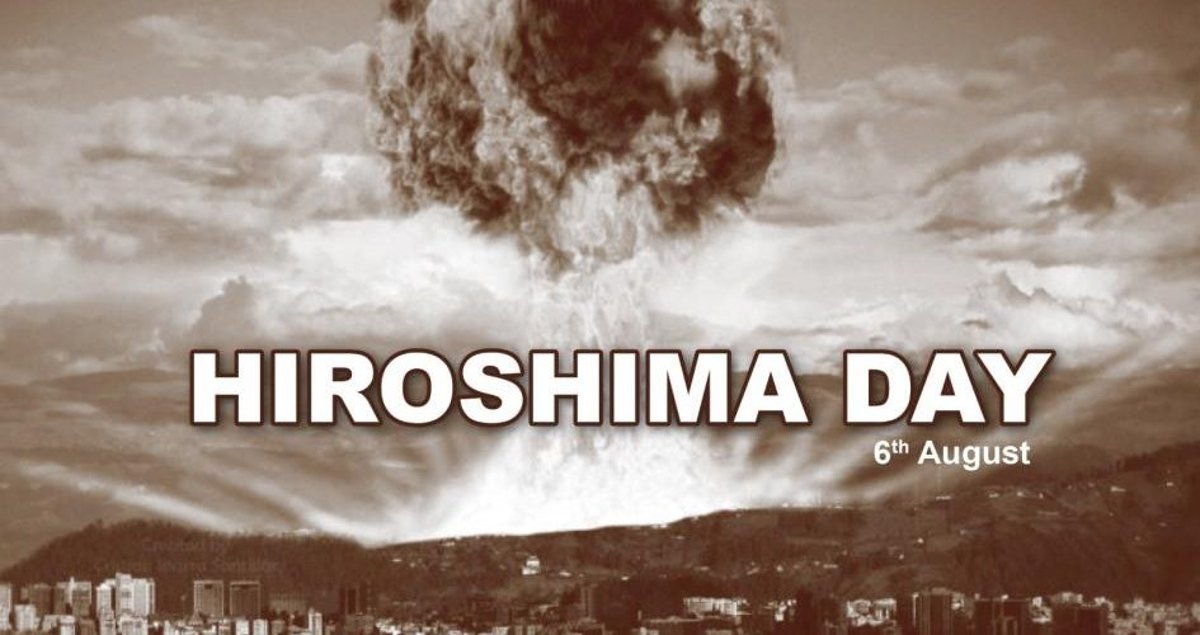
HIROSHIMA: People across the world on Thursday observed Hiroshima Day, paying tribute to the victims of the world’s first wartime atomic bombing and renewing calls for global peace and nuclear disarmament.
Ceremonies were held in Hiroshima to commemorate the 80th anniversary of the atomic bombing carried out by the United States on August 6, 1945, during the closing stages of the Second World War. Thousands of survivors, families of victims, government representatives, diplomats and peace activists gathered at the Hiroshima Peace Memorial Park to remember those who lost their lives and to reaffirm their commitment to a world free of nuclear weapons.
The commemorative ceremony began with a moment of silence observed at 8:15 a.m., the exact time when the atomic bomb, codenamed “Little Boy,” was dropped on Hiroshima. Church bells rang across the city as participants offered flowers and prayers in memory of the victims.
According to historical records, the bombing claimed the lives of an estimated 140,000 people by the end of 1945, either immediately or due to injuries and radiation-related illnesses. Thousands more continued to suffer from the long-term health effects of radiation exposure in the decades that followed.
Addressing the gathering, Japanese leaders reiterated the need for lasting peace and urged the international community to intensify efforts towards nuclear disarmament. They stressed that the tragedy of Hiroshima should serve as a permanent reminder of the devastating humanitarian consequences of nuclear warfare and the importance of resolving international conflicts through dialogue and diplomacy.
Representatives from several countries attended the memorial event, laying wreaths at the Cenotaph for the Atomic Bomb Victims and visiting the Hiroshima Peace Memorial Museum, which documents the destruction caused by the bombing and the experiences of survivors.
Survivors of the attack, known in Japan as Hibakusha, also participated in the ceremony. Many shared messages urging younger generations to preserve the memories of the bombing and work towards ensuring that such a tragedy is never repeated.
The bombing of Hiroshima was followed three days later by the atomic bombing of Nagasaki on August 9, 1945. Together, the two attacks remain the only instances in history where nuclear weapons have been used in armed conflict. Japan announced its surrender shortly afterwards, bringing the Second World War to an end.
Every year, Hiroshima Day serves as both a memorial to the victims and a global call for peace. Observances held around the world include prayer meetings, candlelight vigils, educational programmes and anti-nuclear campaigns aimed at raising awareness about the catastrophic consequences of nuclear weapons and promoting international efforts towards a nuclear-weapon-free world.
Dheeraj reports on governance, public services, jobs, and regional developments across Uttarakhand. He specialises in recruitment news, public-sector updates, and civic issues that impact everyday citizens. His reporting brings accuracy, context, and a grassroots perspective to local journalism.