ISLAMABAD: Pakistan has introduced a new set of regulations significantly tightening government oversight of foreign media operations by making prior official approval mandatory for foreign journalists seeking to report from most parts of the country.
The Foreign Media Facilitation Guidelines, 2026 require foreign correspondents to obtain a No Objection Certificate (NOC) from the External Publicity Wing (EP Wing) of the Ministry of Information and Broadcasting before undertaking reporting assignments outside a limited number of designated cities. The move comes as Pakistan continues to face international scrutiny over its handling of protests and security operations in Pakistan Occupied Kashmir (POK).
Under the revised framework, foreign journalists will be permitted to work without prior clearance only in Islamabad, Lahore and Karachi. Reporting from any other part of the country, including the production of news reports, documentaries, video features or content for digital and social media platforms, will require advance approval from the government.
The new guidelines formalise and expand an approval system that previously operated largely on a case-by-case basis. By making official clearance mandatory for reporting beyond the three designated cities, the regulations considerably enhance government control over the movement and activities of foreign media personnel across Pakistan.
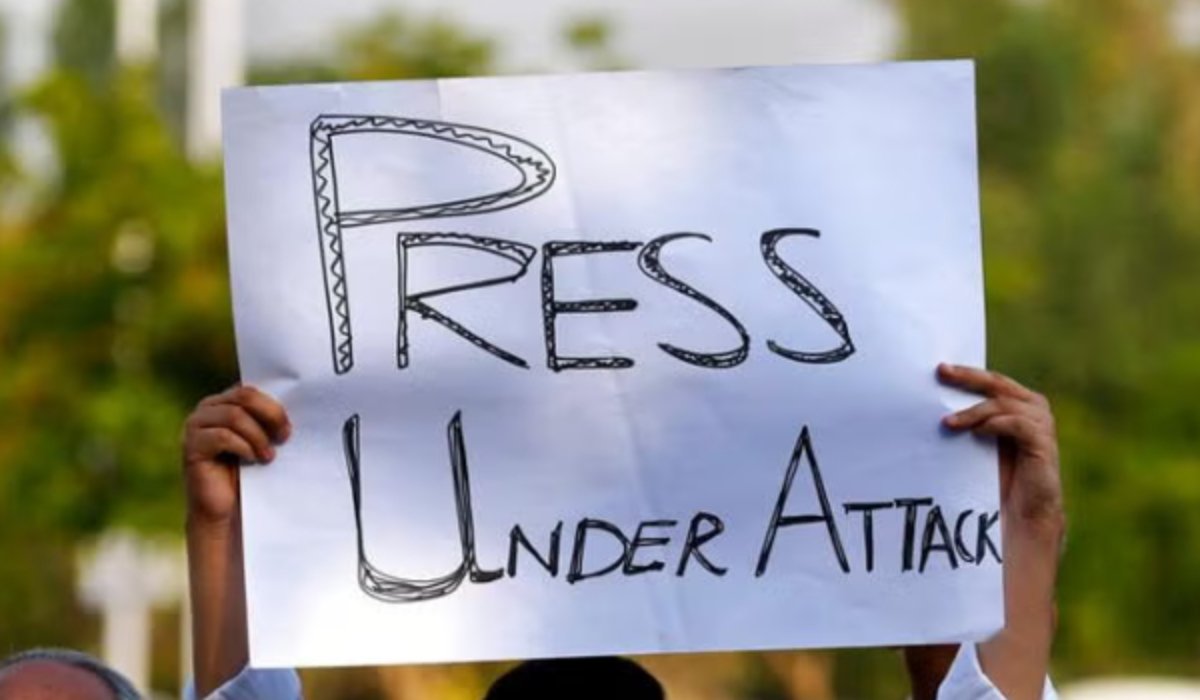
The development comes amid growing international concern over Pakistan’s response to protests in Pakistan-occupied Jammu and Kashmir, where rights organisations and press freedom advocates have alleged restrictions on journalists, internet shutdowns and the use of force against demonstrators. Several media organisations have also reportedly been banned in recent weeks over their coverage of the situation in the region.
International human rights and press freedom organisations, including Amnesty International and the Committee to Protect Journalists (CPJ), have called on Pakistan to uphold media freedom, ensure journalists can work without intimidation and conduct impartial investigations into allegations of human rights violations. The latest regulations are expected to further intensify concerns over press freedom and access to independent reporting in the country.
Dheeraj reports on governance, public services, jobs, and regional developments across Uttarakhand. He specialises in recruitment news, public-sector updates, and civic issues that impact everyday citizens. His reporting brings accuracy, context, and a grassroots perspective to local journalism.