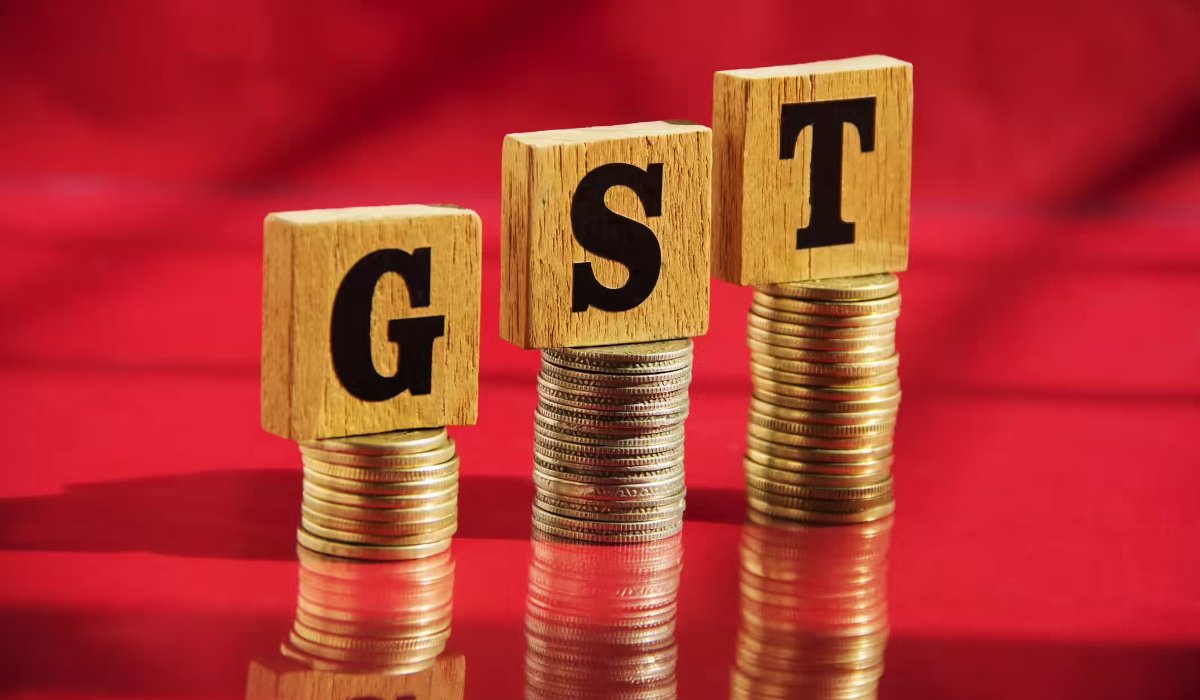
DEHRADUN: Discussions on the positive economic impact of the GST and One Nation One Tax framework dominated the second day of the three-day National Conference of the Public Relations Society of India (PRSI) in Dehradun on Sunday, where policymakers, communication professionals and subject experts examined how tax reforms have accelerated economic activity and strengthened India’s growth trajectory.
The conference, which brought together delegates from across the country and abroad, served as a platform to analyse the role of public communication in explaining complex economic reforms and building public confidence in policy decisions. The central theme of the key session on Sunday revolved around the economic transformation triggered by GST and its long-term implications for industry, trade and governance.
Addressing the session titled Positive Impact on Economic Perspective of India, senior Indian Revenue Service officer and Customs Commissioner B Sumida Devi said that the implementation of GST and the One Nation, One Tax system marked a decisive shift in India’s indirect tax structure. She said that the reduction in GST rates across several sectors helped lower the tax burden on businesses and encouraged faster economic activity.
“GST has simplified taxation and reduced compliance hurdles. Lower tax rates have directly contributed to reduced production costs, improved profit margins and enhanced competitiveness for industries,” she said. She added that the availability of input tax credit under GST enabled businesses to manage cash flows more efficiently, particularly benefiting small and medium enterprises.
She explained that the One Nation, One Tax framework eliminated multiple indirect taxes, creating a unified national market. According to her, this structural reform improved transparency, strengthened logistics efficiency and reduced barriers to inter-state trade. “A uniform tax regime has reduced delays, lowered transportation costs and made it easier for businesses to expand beyond state boundaries,” she said.
Our correspondent reports that B Sumida Devi emphasised that small traders and entrepreneurs were among the biggest beneficiaries of the reformed tax system. She said that lower GST rates and simplified procedures enabled small businesses to reinvest in operations, expand employment opportunities and contribute more actively to local economies. She also noted that efficient logistics under GST reduced transportation costs for agricultural produce, benefiting farmers, wholesalers and consumers alike.
The session also examined how effective public communication played a critical role in the successful rollout of GST. Speakers noted that clear messaging, timely clarification and sustained outreach helped address misconceptions and encouraged compliance during the transition phase.
Our correspondent adds that Indian Institute of Public Relations founder Major Atul Dev highlighted the evolving role of public relations in explaining economic reforms to citizens. He said that the shift from traditional public relations tools to digital communication had transformed the way policies were communicated and perceived.
“In the digital age, public relations professionals face the challenge of managing speed, reach and credibility simultaneously. Social media has amplified communication, but it has also increased risks related to misinformation, privacy and social polarisation,” he said. He added that technology-driven communication has globalised public relations, making ethical standards and factual accuracy more important than ever.
He stressed that effective communication around reforms like GST required not just technical clarity but also empathy and trust-building. “People must understand how reforms affect their daily lives. Communication should bridge the gap between policy intent and public perception,” he said.
The conference session was chaired by senior PRSI office bearer S P Singh, who appreciated the organisational efforts of the Dehradun chapter and said the discussions reflected the growing importance of economic communication in public discourse. He also announced that the next national conference of PRSI would be held in Bhubaneswar, placing responsibility on the next host chapter to carry forward the momentum.
A separate session on the second day focused on strengthening India–Russia trade relations through improved public communication. Experts said that while the two countries shared a long-standing strategic partnership, gaps in communication often limited cooperation beyond traditional sectors.
Our correspondent reports that Michel Maslov, Director General of the Maslov Agency, said that India and Russia were natural partners with expanding opportunities in pharmaceuticals, agriculture, tourism and food products. He said that better public relations and communication strategies could overcome language barriers and information gaps that hinder trade growth.
“India’s economic reforms have positioned it as a rising global power. Stronger communication between Indian and Russian stakeholders can unlock new business opportunities,” he said.
Russian communication professionals Yulia Davydenko and Anna Talanina shared insights into Russia’s digital services and social media ecosystem, highlighting how strategic communication could foster cross-border collaboration.
The conference also witnessed the release of five books focusing on public communication, governance and media management. PRSI National President Ajit Pathak presided over the book release session alongside Michel Maslov, underlining the role of research and literature in strengthening the public relations profession.
Cultural programmes held in the evening showcased Uttarakhand’s rich folk traditions, with Garhwali, Kumaoni and Jaunsari performances drawing appreciation from delegates across the country. Organisers said such cultural exchanges helped visiting participants connect with local heritage while reinforcing the conference’s broader theme of communication and inclusivity.
As the conference continues, organisers said that discussions on GST, economic reforms and public communication would contribute to shaping future strategies for engaging citizens on policy matters. Delegates expressed confidence that sustained dialogue between policymakers, communicators and industry experts would further strengthen public understanding of reforms like One Nation, One Tax and their role in India’s economic progress.
The three-day PRSI National Conference will conclude later today, with participants expecting actionable insights on how public relations can support economic development, international cooperation and transparent governance in an increasingly complex information environment.
Dheeraj reports on governance, public services, jobs, and regional developments across Uttarakhand. He specialises in recruitment news, public-sector updates, and civic issues that impact everyday citizens. His reporting brings accuracy, context, and a grassroots perspective to local journalism.