CHAMOLI: The ancient Adi Badri Temple in Chamoli district will reopen its doors to devotees on January 14, coinciding with the auspicious occasion of Makar Sankranti, marking the formal resumption of worship and pilgrimage activities at the historic shrine after the winter closure.
Our correspondent reports that preparations are underway at the temple complex and surrounding areas to welcome devotees who are expected to arrive in large numbers for the first darshan of the year. The reopening of the shrine is traditionally considered highly auspicious, as Makar Sankranti symbolises spiritual renewal and the beginning of a favourable period in the Hindu calendar.
The Adi Badri Temple, located near Karnaprayag in the Garhwal region, holds immense religious and historical significance. It is regarded as one of the oldest Vishnu temples in Uttarakhand and forms an integral part of the Panch Badri pilgrimage circuit, which includes five sacred shrines dedicated to Lord Vishnu spread across the Himalayan region. According to religious tradition, Adi Badri is believed to be the earliest seat of Vishnu worship in the area.
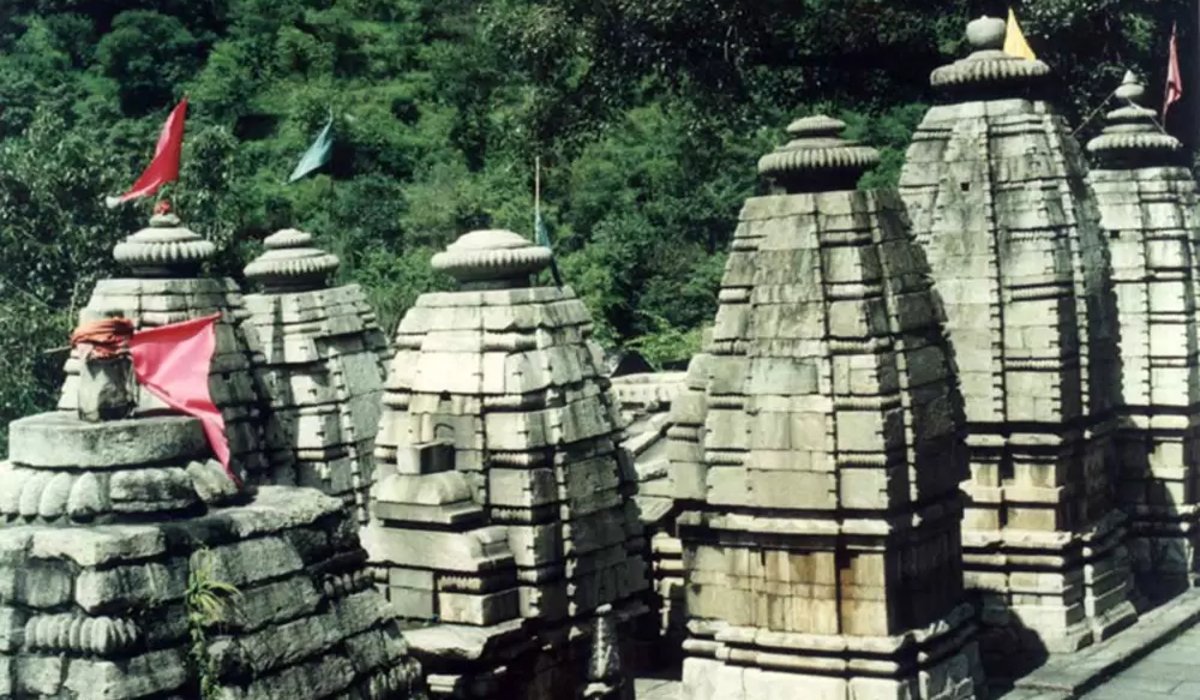
The temple complex consists of a cluster of ancient stone shrines, primarily dedicated to Lord Vishnu, along with temples of other deities. Scholars and historians trace the construction of these temples to between the fifth and eighth centuries, with architectural features reflecting the Gupta period style. The black stone idol of Lord Vishnu installed in the main shrine is worshipped throughout the year, except during the brief winter closure observed as part of traditional rituals.
Our correspondent adds that before the modern development of the Badrinath shrine and improved access to higher Himalayan regions, devotees traditionally offered prayers at Adi Badri, especially during winter months when travel to higher altitudes was difficult. The temple thus served as a vital centre of Vaishnav worship in the region for centuries.
The reopening ceremony on Makar Sankranti is expected to be marked by special prayers, rituals and offerings. Temple priests will perform traditional ceremonies early in the morning before allowing devotees to enter the sanctum. Local residents consider the occasion not only a religious milestone but also an important cultural event that strengthens the region’s spiritual identity.
Adi Badri is situated approximately seventeen kilometres from Karnaprayag on the Karanprayag Ranikhet road. Karnaprayag itself is a significant town, located at the confluence of the Alaknanda and Pindar rivers, and is well connected by road to major towns in Uttarakhand. Pilgrims typically reach the temple by road from Karnaprayag, using private vehicles or local transport services.
For visitors travelling from outside the state, the nearest railway station is Rishikesh, while the closest airport is Jolly Grant Airport in Dehradun. From both locations, road journeys offer scenic views of the Garhwal hills, adding to the spiritual experience of the pilgrimage.
Our correspondent reports that local authorities, temple committees and district administration officials are coordinating to ensure smooth arrangements for devotees. Steps are being taken to manage crowds, maintain cleanliness and ensure safety during the reopening period. Temporary facilities and basic amenities are being readied to accommodate pilgrims, particularly elderly visitors and families.
The significance of Adi Badri extends beyond religious worship. The temple complex is also valued as an important archaeological and cultural heritage site. Its ancient stone carvings, temple layouts and inscriptions provide insight into early Himalayan temple architecture and religious practices. Efforts by local bodies and cultural organisations continue to focus on preserving the site while allowing regulated access to pilgrims.
Religious tourism associated with Adi Badri also contributes to the local economy. Shopkeepers, transport operators and small businesses in nearby villages depend on the pilgrimage season, which traditionally begins with the reopening of the temple in January and continues through the warmer months.
Makar Sankranti holds special importance in Hindu tradition, marking the sun’s transition into Capricorn and symbolising the end of an inauspicious phase. Devotees believe that beginning the year’s pilgrimage with darshan at Adi Badri brings spiritual merit, peace and prosperity.
As the temple prepares to welcome devotees once again, the reopening of Adi Badri is expected to reaffirm Uttarakhand’s identity as a land of ancient temples and enduring spiritual traditions. The event signals not only the revival of worship at the shrine but also the continuation of a centuries old cultural and religious legacy in the Himalayan region.
Dheeraj reports on governance, public services, jobs, and regional developments across Uttarakhand. He specialises in recruitment news, public-sector updates, and civic issues that impact everyday citizens. His reporting brings accuracy, context, and a grassroots perspective to local journalism.