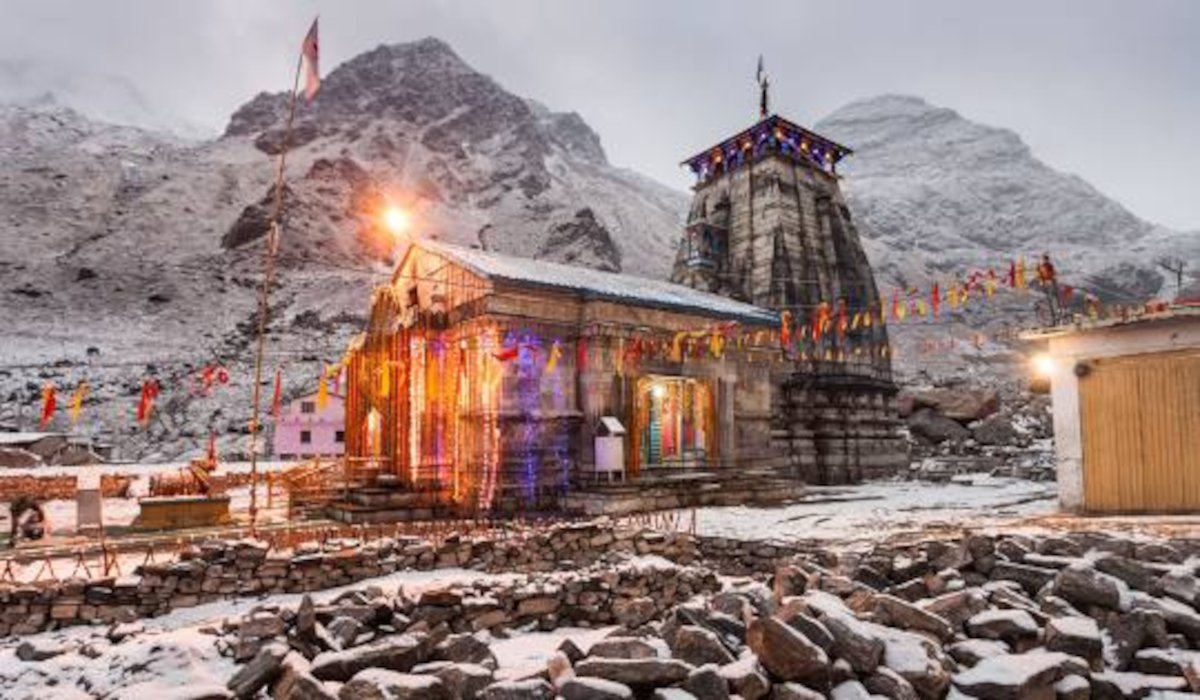
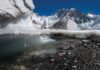
DEHRADUN: Higher Himalayan regions of the state, including the revered shrine of Kedarnath, have remained unusually dry this winter, triggering concern among environmentalists and local communities, even as dense fog conditions gripped the plains and warmer-than-usual daytime temperatures were recorded in the hills. Weather experts said the absence of snowfall so far this season marks a notable deviation from long-term winter patterns in the state.
At a time when Kedarnath is typically buried under thick snow layers, the temple complex and surrounding areas showed no visible snowfall till Tuesday. Officials and local residents said that by December, the shrine usually receives between five and eight feet of snow, effectively sealing the region for winter. The lack of snowfall this year has raised alarms over shifting climate trends and their long-term implications for the fragile Himalayan ecosystem.
According to meteorological experts, western disturbances, which usually bring rain and snowfall to the region during late November and December, have remained weak or poorly aligned this season. As a result, high-altitude districts such as Rudraprayag, Chamoli, Uttarkashi and Pithoragarh have witnessed colder nights but insufficient precipitation to trigger snowfall at expected elevations.
Our correspondent reports that environmentalists view the dry conditions at Kedarnath as a serious warning sign. They said snowfall is not merely a seasonal phenomenon but a critical component of the region’s ecological balance. Snow accumulation feeds glaciers, regulates river flows and ensures sustained water availability during summer months. Any prolonged reduction in snowfall could disrupt these natural cycles.
Local workers and temple-related staff also faced challenges due to the absence of snow cover. Traditionally, snowfall signals the end of the pilgrimage season and helps preserve the shrine and surrounding structures by limiting human activity. This year, the dry terrain has altered winter routines, creating uncertainty for those dependent on seasonal patterns for employment and planning.
Weather scientists pointed out that while snowfall in the Himalayas often peaks during January and February, the complete absence of snow by late December is unusual. They attributed the current situation to a combination of changing atmospheric circulation, rising baseline temperatures and variability in western disturbance activity.
Our correspondent adds that similar conditions were observed last year, though not to the same extent. During the same period last winter, intermittent snowfall had begun in the higher reaches, even if heavy accumulation arrived later. This year, despite cold winds and sub-zero night temperatures in some pockets, daytime warmth has slowed snow formation.
While higher altitudes remained dry, Uttarakhand’s plains experienced a contrasting weather pattern. Dense fog conditions persisted across districts including Dehradun, Haridwar and Udham Singh Nagar, prompting authorities to issue a yellow alert. Visibility during early morning hours dropped sharply, affecting road traffic and rail movement in several areas.
Transport officials said fog-related delays were reported on highways and rail routes, while health experts advised vulnerable groups to take precautions against cold-related illnesses. The combination of foggy plains and snowless hills has highlighted the increasingly erratic nature of winter weather across the state.
Tourism stakeholders expressed mixed reactions to the situation. Hoteliers in hill destinations such as Badrinath, Auli and Joshimath said bookings for Christmas and New Year remained strong, driven by hope of late snowfall. However, winter sports operators said prolonged dry spells could affect skiing and snow-based activities if snowfall does not arrive soon.
Environmental researchers warned that continued warming trends could lead to long-term consequences, including reduced glacier mass and altered river behaviour. They said Himalayan states like Uttarakhand are particularly vulnerable to climate variability, making consistent monitoring and adaptive planning essential.
Meteorological officials said another western disturbance is expected towards the end of the month, which may bring light snowfall to higher elevations and rain in lower areas. They cautioned, however, that forecasting Himalayan weather remains complex, and any snowfall may be uneven and short-lived.
Our correspondent reports that district administrations have been asked to remain alert, especially in case of sudden weather changes that could affect road connectivity or trigger frost-related hazards. Authorities also advised pilgrims, tourists and local residents to monitor daily forecasts and avoid unnecessary travel to high-altitude areas during sudden cold spells.
Environmentalists stressed that the situation at Kedarnath should be viewed as more than a seasonal anomaly. They called for stronger climate research, glacier monitoring and sustainable development policies to protect the Himalayan region. According to them, early warning signs such as delayed snowfall must be taken seriously to prevent long-term ecological damage.
As winter progresses, all eyes remain on the skies over Kedarnath and surrounding peaks. Whether snowfall arrives in the coming weeks or continues to remain elusive may offer critical insights into how climate change is reshaping the seasonal rhythms of the Himalayas.
Dheeraj reports on governance, public services, jobs, and regional developments across Uttarakhand. He specialises in recruitment news, public-sector updates, and civic issues that impact everyday citizens. His reporting brings accuracy, context, and a grassroots perspective to local journalism.