ITANAGAR: A 12-hour bandh called by three youth organisations brought Itanagar, the capital of Arunachal Pradesh, to a complete halt on Tuesday, disrupting transport, business activity and daily life across the region.
The bandh was enforced by the Arunachal Pradesh Indigenous Youth Organisation, the Indigenous Youth Force of Arunachal and the All Naharlagun Youth Organisation. Their demands included the removal of the Jama Masjid at Nigam Colony in Naharlagun, a ban on weekly markets in the capital complex and action against individuals they claimed were illegal immigrants.
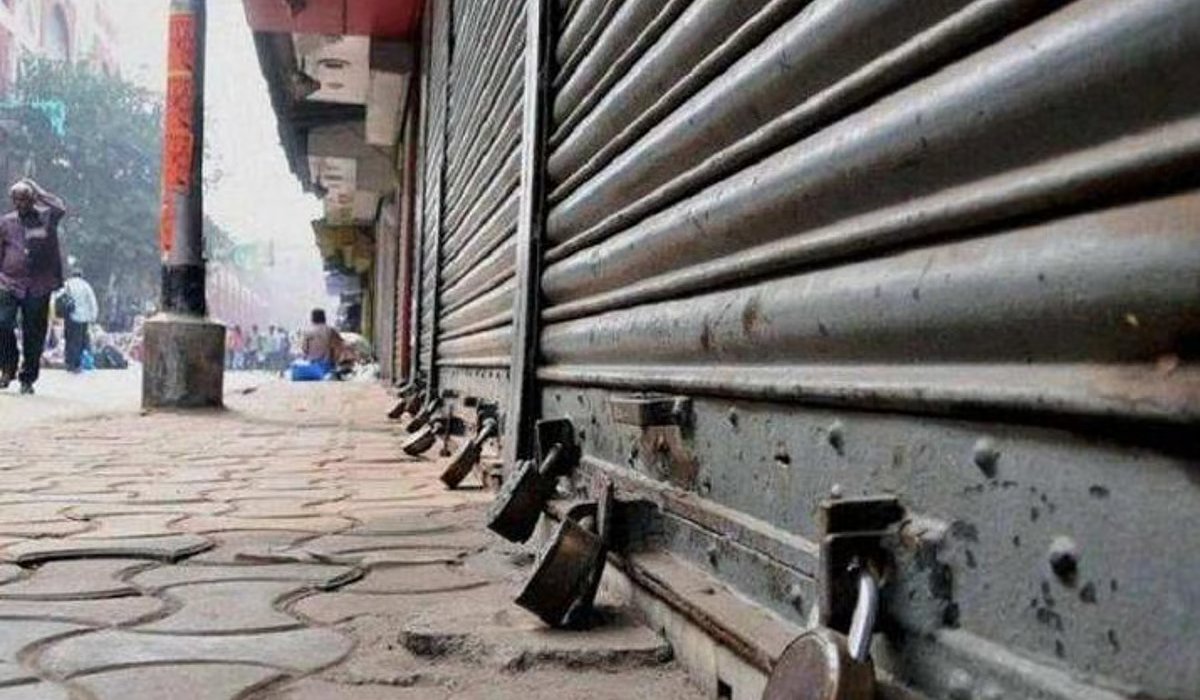
Shops, markets and business establishments remained closed throughout the day as the bandh took effect. Public transport stayed off the roads, leaving commuters stranded and major roads sparsely populated. Police and paramilitary personnel were deployed across Itanagar, Naharlagun and neighbouring areas as a precaution. Authorities reported no major incidents of violence during the shutdown.
The organisations had originally planned a bandh on November 25 but postponed it after the state government offered to hold discussions. A meeting scheduled on December 5 with the Home Minister did not take place because of his election duties. The groups later announced the December 9 bandh, calling it a movement to protect the interests of the indigenous people of Arunachal Pradesh.
Ahead of the protest, the district administration declared the bandh “illegal and unlawful”, citing Supreme Court rulings that restrict such shutdowns due to their impact on the public. Officials said the bandh would disrupt essential services, harm daily-wage earners and affect ongoing municipal elections. The administration urged residents to continue their normal activities despite the shutdown call.
However, the appeal had little effect as most markets, weekly bazaars and commercial hubs remained closed. Business owners and transport unions largely stayed away from operations, many expressing concerns about public safety and possible unrest. Civil society groups and market associations urged the protestors to withdraw the bandh, saying it created avoidable hardship for ordinary citizens.
During the day, roads that typically witness heavy traffic stayed empty, and the usually busy commercial belts of Itanagar and Naharlagun appeared deserted. Economic losses were felt immediately, particularly by small vendors and daily-wage workers who depend on daily earnings. Students and office-goers also faced difficulty reaching their destinations.
Security forces stayed on alert across the capital region, monitoring sensitive areas and maintaining strict surveillance. Officials said they were prepared to respond to any law-and-order situation but emphasised that the bandh passed without major disruption apart from the shutdown itself.
As the bandh ended in the evening, normal activity slowly resumed. Markets reopened, and traffic returned to the streets, though the impact of the day-long halt continued to affect trade and public mobility. Many residents expressed concern about the rising frequency of shutdown calls in the region and the economic burden they place on local communities.
The youth organisations behind the bandh have indicated that they will continue pressing their demands unless the state government responds formally. The administration has urged dialogue and appealed to all stakeholders to maintain peace and follow lawful methods of protest.
Dheeraj reports on governance, public services, jobs, and regional developments across Uttarakhand. He specialises in recruitment news, public-sector updates, and civic issues that impact everyday citizens. His reporting brings accuracy, context, and a grassroots perspective to local journalism.