The three-day Himalayan Conclave 2025 began today at the G.B. Pant National Institute of Himalayan Environment (GBPNIHE) in Kosi-Katarmal, Almora. The event, organised by the Ministry of Environment, Forest and Climate Change, brings together scientists, policymakers and community representatives to develop a strategic vision for the Indian Himalayan Region under the theme “Indian Himalayan Region-2047: Environmental Conservation with Sustainable Socio-Economic Growth”.
Experts at the inaugural session highlighted the growing environmental pressures facing the Himalayas and the need for coordinated, long-term policies. GBPNIHE Director-in-charge Indra Dutt Bhatt said that the Himalayan ecosystem requires urgent attention to ensure that development does not compromise environmental stability. He added that science-based planning is essential for mountain sustainability.
The conclave features 21 technical sessions covering land–water interactions, mountain agriculture, climate change adaptation, biodiversity conservation, sustainable livelihoods and regional cooperation frameworks. Speakers underlined the importance of promoting eco-tourism, green technologies and climate-resilient farming practices to strengthen the economic foundation of Himalayan communities.
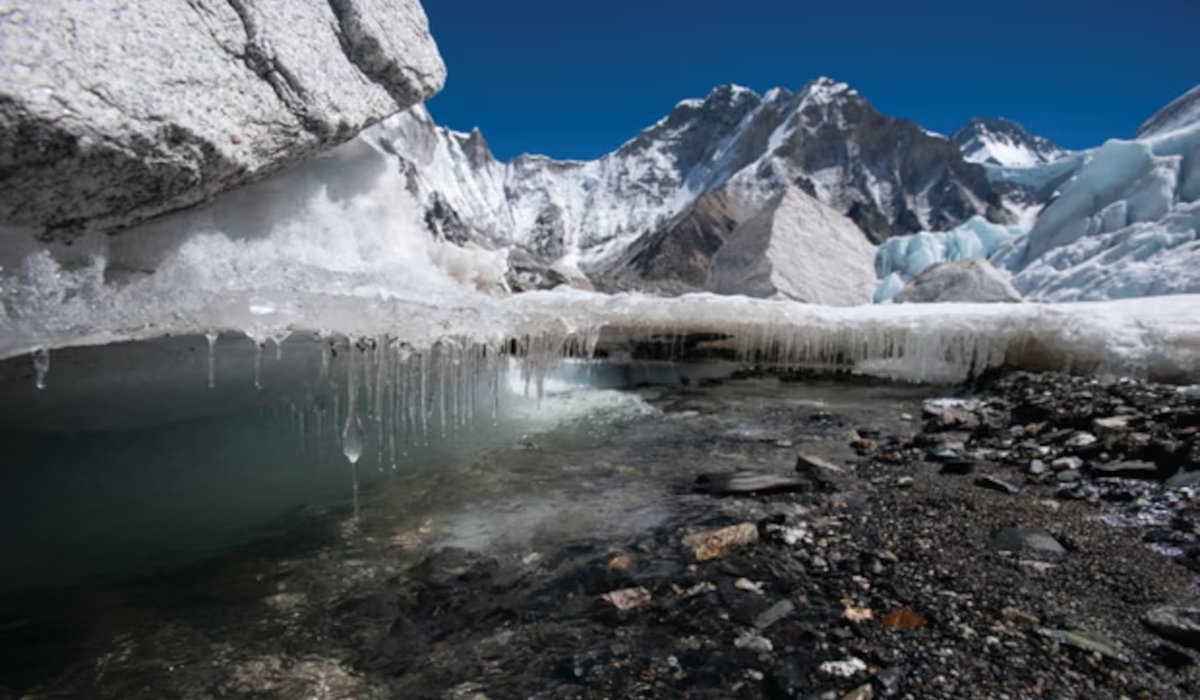
Organisations including the United Nations Development Programme and national research institutions are collaborating in the event. A key objective of the conclave is to update the Himalayan Action Plan of 1992 by incorporating contemporary challenges such as glacier retreat, extreme weather events, youth migration and degradation of fragile ecosystems.
Officials said that the recommendations emerging from the discussions will help shape national policies aimed at a sustainable and resilient Himalayan future. They noted that as India approaches 2047, a forward-looking roadmap is essential to safeguard the region’s ecological integrity while supporting livelihoods and socio-economic growth.
Dheeraj reports on governance, public services, jobs, and regional developments across Uttarakhand. He specialises in recruitment news, public-sector updates, and civic issues that impact everyday citizens. His reporting brings accuracy, context, and a grassroots perspective to local journalism.