Nature's own garden - Valley of flowers in Uttarakhand
The world-famous Valley of Flowers National Park in Chamoli district of Uttarakhand, a UNESCO World Heritage Site, has been closed to tourists for the current season as winter conditions begin to set in across the higher Himalayas.
Our correspondent reports that the Forest Department officially shut the valley to visitors from today, marking the end of the 2025 tourist season. The decision follows standard safety protocol as the region begins to experience early snowfall, dropping temperatures, and increased risk of avalanches and landslides. The park, which usually opens to visitors in early June, remains accessible only until the end of October due to its high-altitude ecosystem and fragile terrain.
Officials confirmed that entry permits and trekking access through the Govindghat–Ghangaria route have been suspended from this morning. Tourists currently in the vicinity have been advised to return before weather conditions deteriorate further. The trek route, located at an altitude of over 3,000 metres, becomes extremely slippery and dangerous once the snow begins to accumulate.
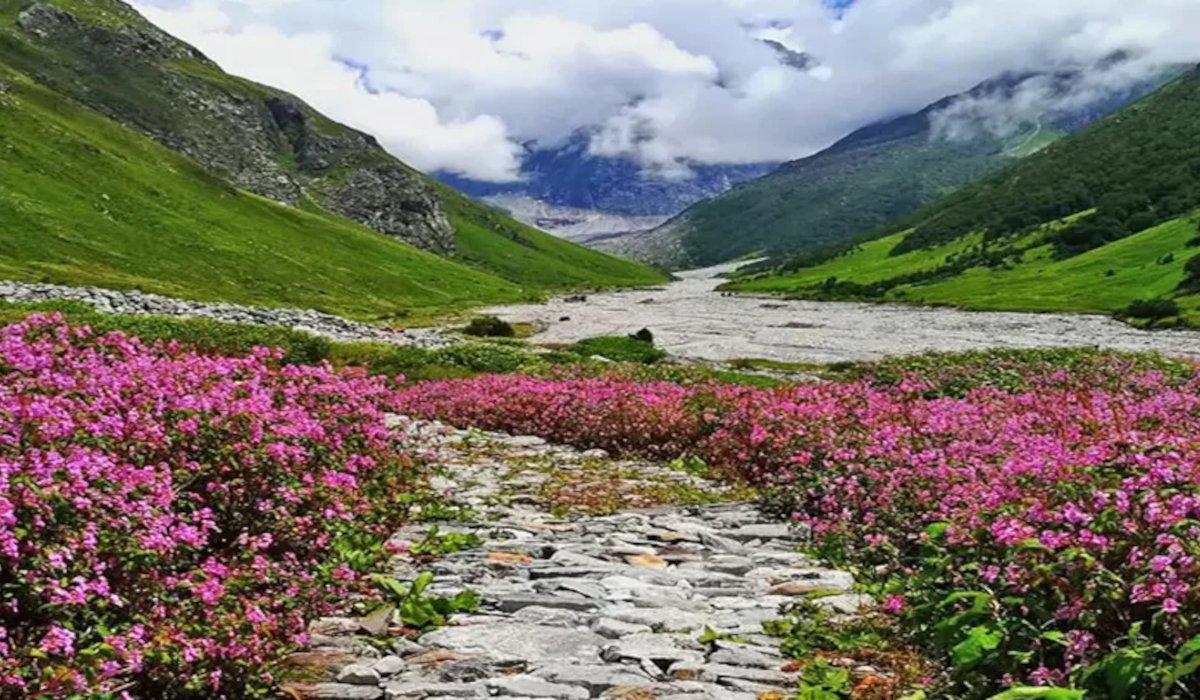
The Valley of Flowers, known for its vibrant alpine meadows and rich biodiversity, draws thousands of visitors every year from India and abroad. This year, officials reported a steady flow of tourists, even though the trekking season was slightly shorter due to intermittent heavy rainfall during the monsoon months. The valley witnessed a peak influx of visitors in July and August when the flowers were in full bloom, transforming the landscape into a multicoloured expanse of Himalayan flora.
Our correspondent adds that forest rangers and conservation staff have begun the process of seasonal closure, which involves removing temporary rest facilities, securing bridges, and ensuring the protection of wildlife habitats. Maintenance and restoration work will continue throughout the winter to prepare for next year’s reopening. All temporary shelters used by trekkers and guides are being dismantled to prevent environmental damage caused by snow accumulation.
District Forest Officer (DFO) Chamoli said that the closure period would be utilised to assess the health of the valley’s ecosystem. The department will conduct post-seasonal surveys to monitor the condition of rare plant species and soil stability in the fragile alpine zone. The official also mentioned that this resting period allows the valley’s ecology to rejuvenate naturally before the next wave of tourism activity resumes.
Local authorities have deployed security and rescue teams at Ghangaria, the last human settlement before the valley, to ensure that no tourists attempt to enter the restricted area during the winter. The administration has reiterated that unauthorised entry into the park after closure is strictly prohibited and punishable under the Wildlife Protection Act.
Our correspondent reports that the district administration has also issued an advisory urging trekkers and tourists to plan their visits only after the official reopening, which is expected around June 1, 2026, depending on snow conditions. Officials highlighted that the valley’s biodiversity — including species like the blue poppy, brahma kamal, and Himalayan bellflower — thrives best when human activity is minimised during winter months.
Tourism officers stated that the closure period plays a crucial role in sustaining the delicate balance of the region’s ecosystem. Continuous human movement during the harsh winter can damage vegetation, disturb animal habitats, and hinder natural regeneration processes. To promote eco-sensitivity among visitors, the Tourism Department plans to launch awareness drives ahead of the next season, emphasising sustainable travel practices and responsible trekking behaviour.
Environmental experts believe that this year’s early closure is beneficial, as climate variations and unpredictable rainfall patterns have already affected the region’s terrain. Allowing the valley to remain undisturbed during winter ensures that flora and fauna have sufficient time to recover before the next tourist season.
The Valley of Flowers, located at an altitude ranging between 3,200 and 6,700 metres, remains one of Uttarakhand’s most iconic natural treasures. Its closure marks the end of another successful season, symbolising the balance between nature conservation and tourism in the fragile Himalayan ecosystem.